


If you’ve still got a back boiler tucked away behind the fire, you’re not alone. I still come across them in plenty of homes around Berkshire. They were solid bits of kit in their day. Quiet, hidden away and often still chugging along after 30 years. But more and more homeowners are asking the same thing: is it finally time to replace it? If you’re unsure, speaking to trusted boiler upgrade specialists can help you weigh up your options properly.
This guide will walk you through what a back boiler actually is, the warning signs to look out for and what you gain by moving to a modern system. No scare tactics. Just practical advice from someone who’s seen a lot of ageing heating systems up close.
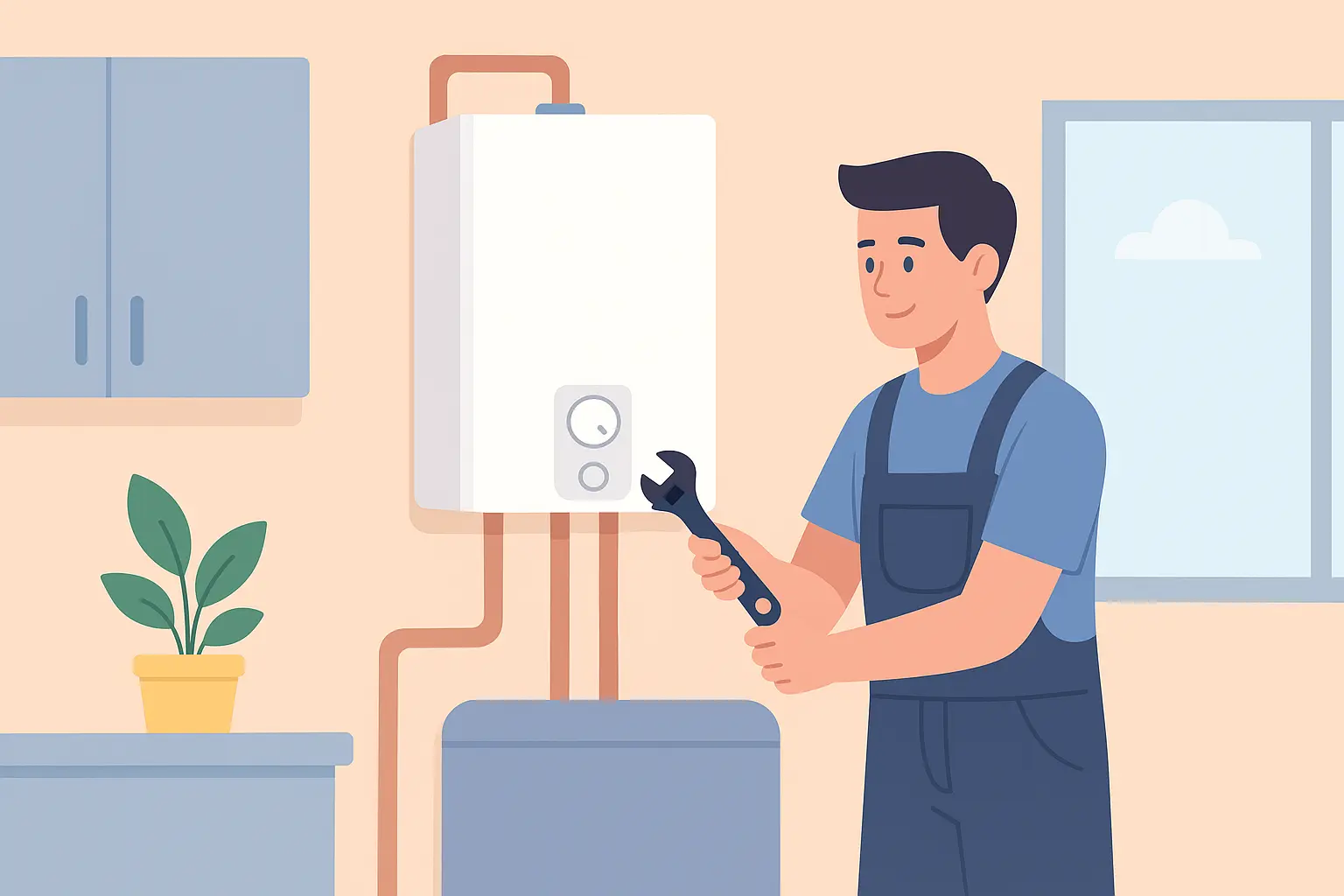
What Is A Back Boiler And Why It Matters Today
A back boiler sits behind a gas fire, usually in the living room. Instead of having a separate boiler on the wall in the kitchen or airing cupboard, the heat exchanger is literally built into the back of the fireplace. They were installed in huge numbers from the 1960s through to the 1980s.
The reason they were popular was simple. They were neat for their time and reasonably reliable. But technology has moved on. Most back boilers are non condensing, which means they’re far less efficient than modern A rated condensing boilers.
Efficiency matters because an old back boiler can be running at around 60 to 70 percent efficiency on a good day. A modern condensing boiler is typically over 90 percent efficient. That difference shows up on your gas bill, especially with the way energy prices have been in recent years.
There’s also the issue of parts. Manufacturers stopped making back boilers years ago. If a key component fails, we’re often relying on refurbished parts or tracking down old stock. Sometimes that’s possible. Sometimes it isn’t.
Signs Your Back Boiler Needs Replacing
Some homeowners ring us in a panic because the heating has stopped completely. Others just have a feeling their system is on its last legs. Here are the usual signs that a replacement is worth serious thought.
Frequent Breakdowns
If you’re calling out an engineer every winter, it’s a warning. An occasional repair is one thing. Repeated faults, especially with hard to source parts, usually mean the boiler is nearing the end.
Poor Efficiency And High Gas Bills
If your usage seems high compared to similar sized homes, your boiler could be the culprit. I’ve had customers in Maidenhead and Wokingham who were shocked at the difference after upgrading their old back boiler to a modern combi.
Yellow Flame Or Sooting
A healthy gas flame should burn blue. If you ever notice a yellow flame or excessive soot around the fire, get it checked immediately. It could indicate incomplete combustion. Safety always comes first.
Struggling To Heat The House
If some radiators never quite get hot or hot water runs lukewarm in winter, the boiler might simply not be up to modern demand. Homes today often have extra radiators, larger showers and higher expectations than in the 70s.
No Room Thermostat Or Basic Controls
Most back boiler systems were installed with very basic controls. If you’ve got no proper programmer or room thermostat, you’re likely wasting energy. Upgrading gives you far better control over your heating.
Benefits Of Upgrading To A Modern Boiler System
This is usually where homeowners start to see why moving on from a back boiler makes sense.
- Much higher efficiency which can reduce gas usage
- Better heating control with smart thermostats and zoning options
- Improved reliability and easier access to spare parts
- Freeing up space in the living room by removing the old fire and back boiler
- Quieter operation and more consistent hot water
Many homeowners also choose to redesign their living room once the old fire and surround are removed. It opens up the space more than people expect.
If you live locally and want an idea of options in your area, you can see what’s involved with a new boiler installation in Maidenhead, boiler replacement in Wokingham or boiler upgrade in Caversham. Each property is slightly different, especially older terraces where cupboard space can be tight.
Upgrading also gives you the chance to improve your overall heating setup. If your radiators are unevenly sized or sludge has built up over decades, it’s worth looking at the wider central heating system while work is being done. A powerflush or new controls can make a noticeable difference.
Costs, Energy Savings And What To Expect From Installation
The honest answer is that replacing a back boiler is more involved than a straightforward combi swap. The old unit has to be removed from behind the fireplace. Pipework is often rerouted. A new flue position is needed. Sometimes floors come up. Occasionally we find pipework under the lounge floor that’s been there since the house was built.
That said, most installations are completed within a few days. We always explain beforehand what’s likely to be disturbed and how we’ll make good afterwards. Carpets are lifted carefully, dust sheets go everywhere and we keep disruption as low as possible.
In terms of running costs, the savings depend on how old and inefficient your current boiler is and how you use your heating. Pairing a new boiler with sensible usage and a few practical energy saving tips can make a noticeable dent in monthly bills.
For some homeowners it’s not purely about savings. It’s about reliability and peace of mind. Knowing your heating isn’t likely to fail in the middle of January is worth a lot.
If your back boiler is still running safely and only needs minor repairs, there’s no obligation to rush. But if you’re facing repeated faults, high bills or concerns about safety, it’s sensible to start planning rather than waiting for a complete breakdown.
Every home is different, which is why a proper assessment matters. If you think it might be time, the team at TS GAS can take a look, explain your options clearly and help you decide what makes sense for your property.
Think it’s time to upgrade? Get expert advice and a free quote.