


If you’re planning a new boiler, one of the most common questions I hear in homes across Berkshire is this: “Do I need to replace my pipework as well?” It’s a fair question. A boiler isn’t a small investment, and you don’t want extra work unless it’s genuinely necessary.
As trusted boiler installation experts, we’re often asked whether new pipework is automatically included. The honest answer is no. In many cases existing pipes can stay exactly as they are. In others, upgrading them makes a big difference to performance, efficiency and long term reliability. It all depends on the condition and design of your current system.
Let’s talk through when you can safely keep your pipework and when it makes sense to replace it.
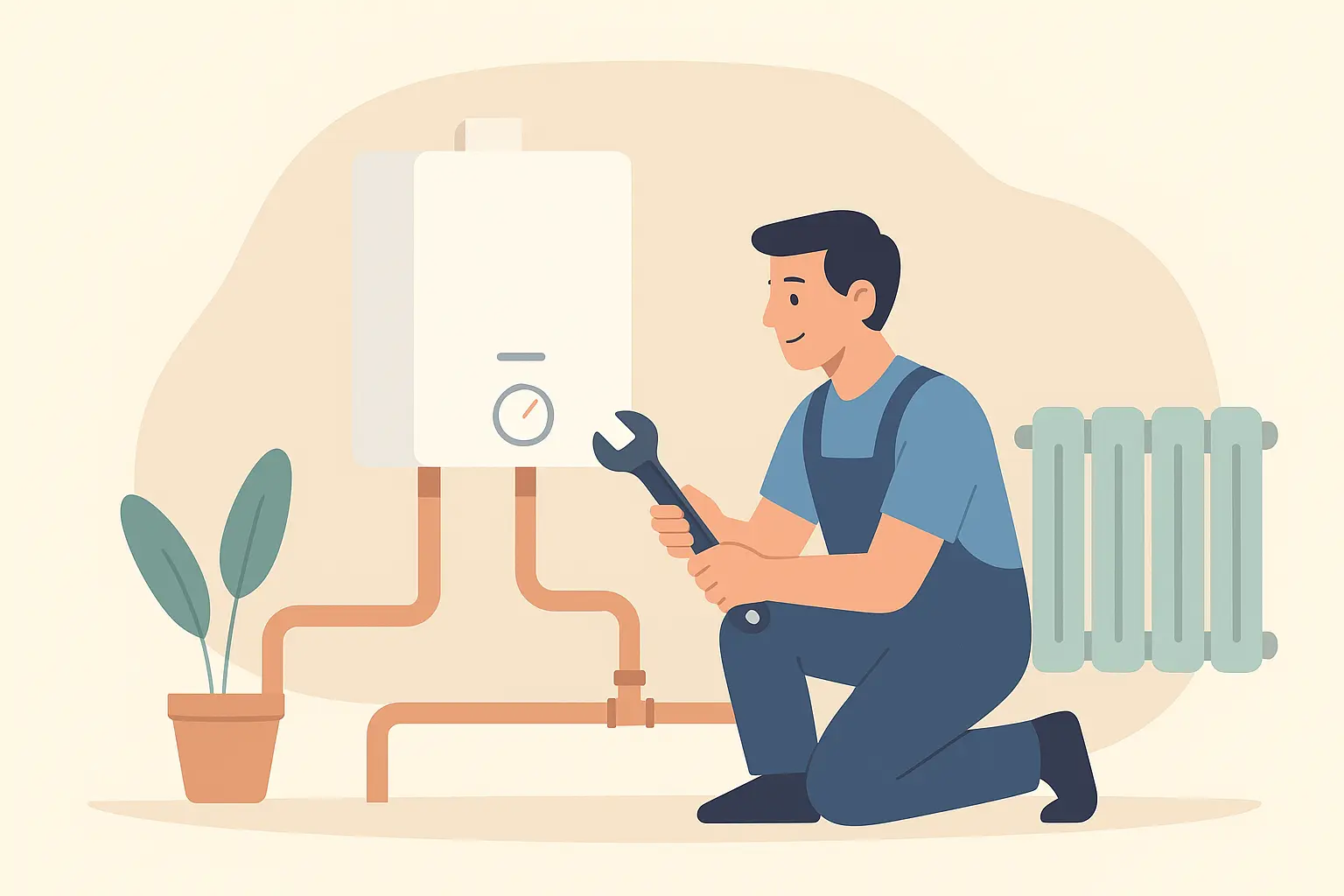
When Existing Pipework Can Be Reused Safely
In plenty of homes around Wokingham and Woodley, the existing pipework is absolutely fine. If your system has been well looked after and installed properly in the first place, there’s often no need to rip it out.
Your pipework can usually be reused if:
- It’s the correct diameter for a modern condensing boiler
- There are no ongoing leaks or corrosion issues
- The system has good water flow and balanced radiators
- It passes a power flush or chemical clean without issues
In many newer properties in Reading, for example, the pipework was designed for pressurised systems from the start. Swapping the boiler is fairly straightforward.
If we inspect the system, flush it properly and the water runs clear without debris, that’s a good sign the pipes are still in good condition.
Signs Your Pipework May Need Replacing
There are situations where keeping the old pipework simply isn’t the best idea.
Here are some warning signs I often spot during surveys:
- Very old microbore pipework that restricts flow
- Frequent cold spots on radiators
- Sludge build up that keeps returning even after flushing
- Visible corrosion on exposed pipes
- Repeated leaks or patch repairs over the years
Older open vent systems can also need upgrades when being converted to sealed systems. The pipework might technically still work, but it may not allow your new boiler to run at its best efficiency.
I remember a property in Woodley where the homeowner had replaced the boiler twice in fifteen years without addressing heavily sludged pipes. The third boiler kept locking out. Once we upgraded sections of pipe and properly cleaned the system, the difference was night and day.
Benefits of Upgrading Pipework With a New Boiler
Replacing pipework is not always essential, but when it is needed it brings real benefits.
A new boiler is more powerful and more efficient than older models. If it’s connected to narrow or partially blocked pipes, it simply cannot circulate water properly. That leads to:
- Higher running costs
- Uneven heating
- Increased wear on key components
- Reduced lifespan of the boiler
Upgrading pipework can improve water flow, help radiators heat evenly and allow the boiler to condense correctly which is where the efficiency savings happen.
It’s also worth considering if you’re changing the layout of your heating. For example, adding radiators during a new boiler installation in Reading or upgrading an older system in Wokingham may justify altering pipe runs for better balance and zoning.
Cost Considerations and What to Expect
Nobody wants unnecessary costs added to a boiler installation. The key is to base decisions on evidence, not assumptions.
Keeping existing pipework keeps labour time down and avoids lifting floors or chasing walls. That’s always preferable if the system is sound.
If sections do need replacing, it does not always mean the entire house needs repiping. Often it’s specific areas such as undersized central heating runs near the boiler or badly corroded sections under kitchen units.
During surveys in places like Woodley, we assess what’s essential for performance and safety rather than suggesting wholesale replacement. A targeted upgrade can deliver the same result at far lower cost.
It’s also worth knowing that modern boilers require correct gas pipe sizing. If the existing gas supply pipe is too small, it may need upgrading to meet current regulations and manufacturer requirements.
Professional Advice: Boiler and Pipework Assessment
The only reliable way to know if you need new pipework is a proper on site assessment.
A good engineer will:
- Check pipe diameters
- Test system pressure and flow rates
- Look for signs of corrosion or poor past workmanship
- Inspect the gas supply sizing
- Discuss any future plans such as extensions or extra radiators
We’re not just looking at whether the heating works today. We’re asking whether it will run efficiently for the next ten to fifteen years.
If your radiators take a long time to warm up, if you constantly bleed them or if you’ve had recurring pump or heat exchanger issues, those are clues the pipework may be part of the bigger picture.
Conclusion: Making the Right Decision for Your Home
So, do you need new pipework with a boiler? Not always. Many homeowners can keep their existing pipes without any problem. But in some cases, upgrading sections of pipework protects your investment and ensures your new boiler runs as efficiently as it should.
The key is honest advice based on what your system actually needs, not a one size fits all approach. A proper survey will give you clarity and help you avoid unnecessary expense while keeping your home safe and warm.
If you’re considering a boiler upgrade and want straightforward guidance tailored to your home, the team at TS GAS will be happy to help. You can book your boiler assessment today and get clear, practical advice before making any decisions.