


If you live in Reading and your home runs on LPG rather than mains gas, you’ll already know it’s a bit different. Whether you’re in a more rural pocket just outside town or in a property that isn’t connected to the mains, LPG is reliable and efficient when it’s installed and looked after properly. The key word there is properly.
I’ve spoken to plenty of homeowners over the years who assume their LPG system just “ticking along” means everything’s fine. Most of the time it is. But LPG systems need regular checks to stay safe and compliant. That’s where an LPG safety inspection in Reading comes in, and it’s not something to put off.
What LPG Systems Are
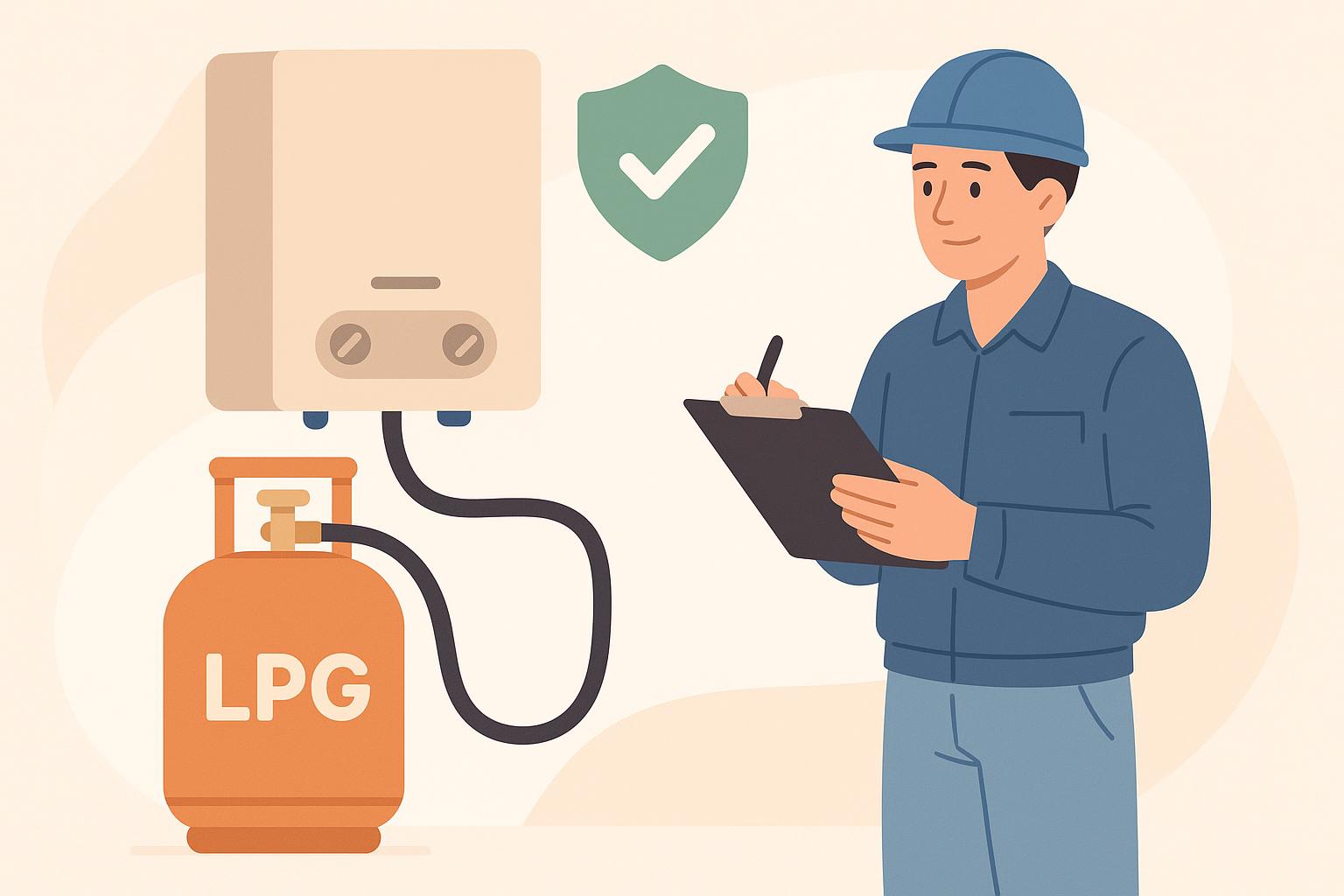
LPG stands for Liquefied Petroleum Gas. Unlike mains natural gas, it’s stored on your property, either in a tank above ground or underground, or sometimes in cylinders. It’s commonly used for heating, hot water and cooking in homes that aren’t connected to the gas grid.
A typical domestic setup includes a storage tank, pipework running into the house, a regulator to control pressure and appliances such as a boiler, hob or gas fire. On some properties around the outskirts of Reading, the tank might be tucked away behind a hedge or down the side of the house where people rarely look at it.
Because it’s stored on site under pressure, LPG needs the right installation and regular maintenance. It’s not more dangerous than mains gas when it’s looked after correctly, but the storage aspect means it deserves proper attention.
Why Inspections Matter
One of the most common things I hear is, “It’s been working fine for years, do I really need it checked?” The short answer is yes.
An LPG safety inspection is about more than just making sure your boiler fires up. It’s about checking the whole system is safe, leak free and compliant with current regulations. Small issues, like a minor leak on a fitting outside or a regulator starting to fail, aren’t always obvious to a homeowner.
Left unnoticed, those small issues can lead to bigger problems. LPG is heavier than air, which means if there is a leak it can collect at low level rather than dispersing quickly. That’s why proper pipework testing and ventilation checks matter so much.
There’s also the compliance side. If you’re a landlord, annual gas safety checks are a legal requirement. Even as a homeowner, if you’re selling your property or making changes to the system, documented inspections offer reassurance to buyers and surveyors. I’ve been to properties in Reading where a house sale nearly stalled because there was no paperwork for the LPG installation. It’s far easier to stay on top of it than to sort it all out in a rush later.
From a practical point of view, regular inspections can also pick up wear and tear before it turns into an expensive repair. Corrosion on pipework, damaged insulation or a tank sitting on an uneven base are all things we come across from time to time.
What Checks Include
When we carry out an LPG safety inspection, it’s not just a quick glance at the boiler. We follow a structured process to make sure the whole system is safe.
Tank and External Equipment
We start outside. The tank itself is checked for signs of corrosion, damage or movement. The base should be stable and clear of excessive vegetation. You’d be surprised how often we have to point out that a growing hedge is blocking required clearances around a tank.
We also check the regulator, valves and visible pipework for signs of wear or leaks. Clear access and appropriate safety distances from boundaries and buildings are important and we’ll flag if anything needs attention.
Pipework Integrity
The pipework running from the tank into your property must be sound and properly secured. We carry out tightness testing to confirm there are no leaks. Even a small pressure drop can indicate a developing issue.
If pipework runs underground, we’ll assess visible sections and discuss any concerns. Older properties around Reading sometimes have installations that pre-date current best practice, and we can advise if upgrades are sensible.
Appliances and Ventilation
Inside the property, we inspect each LPG appliance. That includes checking the burner pressure, flame picture and general condition. We make sure flues are correctly fitted and not blocked, and that there is adequate ventilation.
Carbon monoxide testing forms part of the process as well. An appliance can appear to be working normally but still produce unsafe levels of CO if something isn’t quite right. That’s why a proper inspection goes beyond what you can see on the surface.
Controls and Safety Devices
We also check safety devices such as isolation valves and emergency shut-off arrangements. You should know where your isolation valve is and how to turn the supply off if needed. During an inspection, we’ll make sure everything operates as it should and talk you through it if you’re unsure.
At the end, you’ll get clear feedback. If everything is safe and compliant, that’s documented. If there are issues, we explain them in plain terms and outline what needs doing and why. No scare tactics, just straightforward advice.
Book Your LPG Gas Safety Inspection
If you’ve got an LPG system and it’s been a while since anyone gave it a proper check, it’s worth sorting sooner rather than later. Whether you’re in Caversham, Woodley, Henley, Ascot, Reading, Wokingham or Maidenhead, the principles are the same. Safe storage, sound pipework and well maintained appliances.
At T S Gas we carry out LPG safety inspections that Reading homeowners can rely on, with practical advice based on real properties across the area. T S Gas works with homeowners to keep their systems safe, compliant and running as they should, without overcomplicating things.
If you’d like peace of mind that your LPG setup is safe and up to standard, now’s the time to act. Book LPG safety inspection

