


When upgrading your heating system in Reading, one of the most critical decisions is selecting the correct boiler size for your property. A properly sized boiler ensures consistent warmth, optimal energy efficiency, and long-term reliability. As expert heating engineers, we at TS Gas help homeowners find the perfect balance between performance and efficiency. To better understand how to choose boiler size, this guide will walk you through everything you need to know — including heating requirements, household demands, and cost-saving strategies.
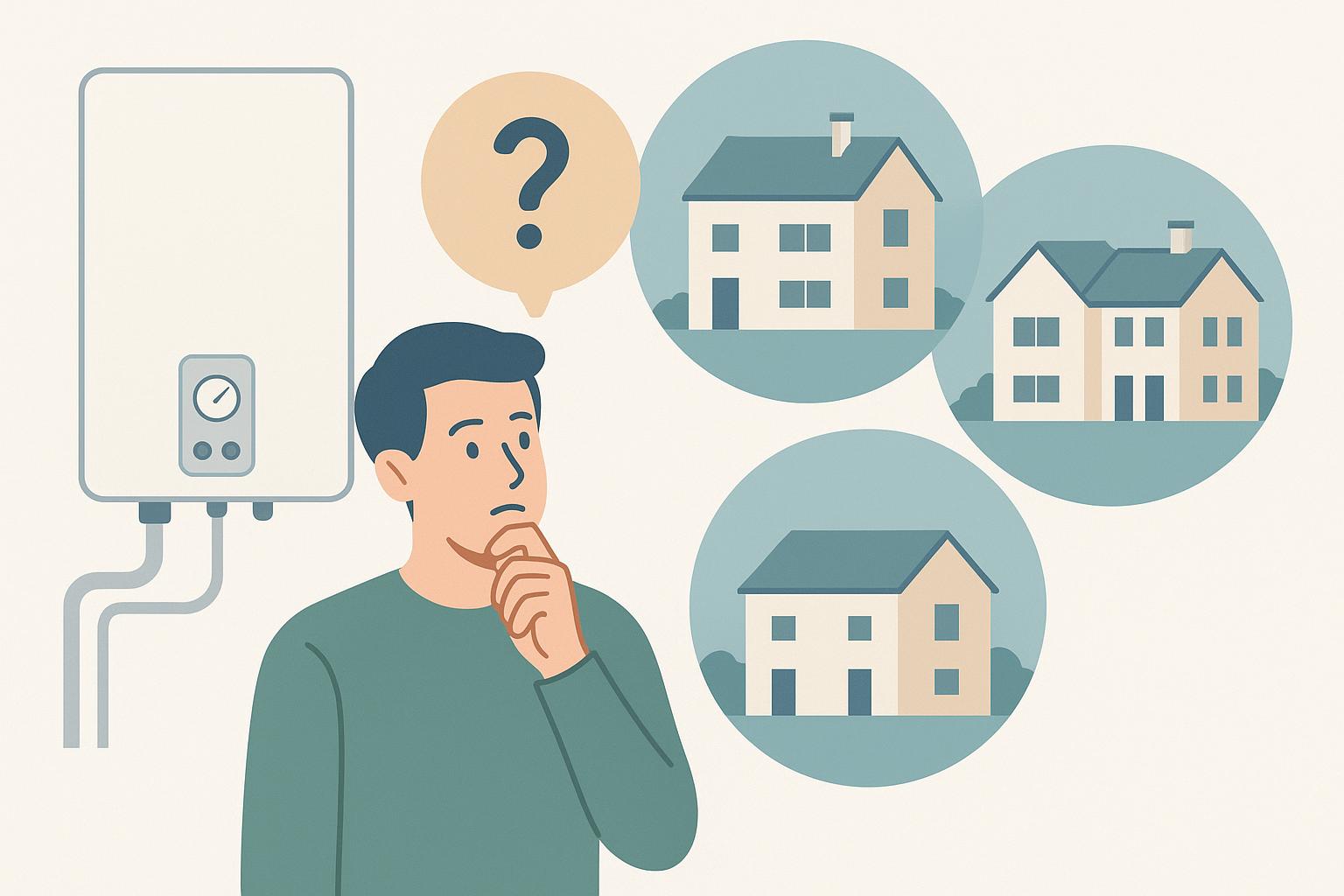
Why Boiler Size Matters
Choosing the right boiler size has a direct impact on your comfort, energy usage, and utility bills. A boiler that’s too small may struggle to heat your home effectively, while an oversized one wastes energy and increases long-term running costs. By focusing on efficiency and matching output to your home’s heating demands, you can enjoy consistent warmth throughout the year without costly energy waste. As highlighted in our Boiler Output Guide, size and performance are directly linked to the number of radiators, insulation quality, and property type.
Understanding Boiler Output and Your Home’s Requirements
Boiler size is typically measured in kilowatts (kW), indicating how much heat the unit can produce. The appropriate output depends on several factors such as the number of bathrooms, hot water outlets, and total radiator count in your property. When you choose boiler size based on your specific needs, you ensure both comfort and efficiency.
1. Number of Radiators
The number of radiators directly affects how much heat your system needs to generate. As a general guide, you might need around 6–10 kW for a small flat with a few radiators, and 15–30 kW for a medium-to-large home with multiple rooms. Every radiator in your home contributes to your system’s total heat demand, so accurate calculation is essential.
2. Size of the Property
Larger homes with multiple floors naturally require higher output boilers. Detached or older homes may also demand more power due to potential heat loss. Insulation plays a major role—well-insulated homes can often manage with lower-capacity boilers while still maintaining comfortable temperatures.
3. Hot Water Demand
Families that use multiple bathrooms simultaneously should consider higher-output combi or system boilers. These systems can deliver hot water to several taps and showers at once without a drop in temperature. For more on choosing the type that best fits your lifestyle, explore our guide on combi vs system vs conventional boilers.
Different Boiler Types and Their Sizing Needs
The choice of boiler type also influences the output you’ll need. Each boiler design serves a different purpose and level of demand.
- Combi Boilers: Best for smaller homes with limited space and lower hot-water demand. They provide heating and hot water directly from the mains without requiring storage tanks.
- System Boilers: Suitable for medium to large households with higher hot water usage, as they utilise a separate hot water cylinder for storage.
- Conventional Boilers: Perfect for homes already fitted with traditional heating systems and cold-water storage tanks, offering excellent pressure and supply for larger properties.
How to Calculate the Right Size Boiler
As a rule of thumb, you can base your estimate on the number of radiators in your property. However, precise calculations should always be carried out by a qualified engineer. For instance, a typical three-bedroom home with up to 15 radiators might require a boiler in the 18–25 kW range. Meanwhile, compact properties or flats may only require around 9–12 kW. For detailed calculations customised to your property, our specialists can provide an accurate assessment to ensure your boiler operates at peak efficiency year-round.
Energy Efficiency and Cost Savings
Modern boilers are far more energy efficient than older models, converting more fuel into usable heat. When you choose boiler size correctly, you’ll see noticeable improvements in heating performance and reduced energy bills. Additionally, pairing your new boiler with updated controls and thermostatic radiator valves can enhance energy management across the home. For more money-saving advice, take a look at our energy-saving tips.
When to Seek Professional Help
Even with general guidelines available, calculating the exact boiler capacity should always involve professional input. Our team at TS Gas provides tailored recommendations after assessing your heating system, water usage pattern, and property layout.
Final Thoughts and Next Steps
Choosing the correct size boiler is an investment in your home’s comfort and efficiency. By taking the time to evaluate your radiator count, home layout, and hot water needs, you can make an informed decision that pays off through lower running costs and reliable warmth. To ensure you select the best system and choose boiler size with confidence, speak to the experts today.
Ready to install or upgrade your boiler in Reading? Contact TS Gas today for professional advice, a free quote, and a heating system tailored perfectly to your home.

